
What Should You Do During the First 14 Days After Hair Transplant?
Bonita Hair Clinic Editorial Team
Dr. Natalie Loomans, Plastic Surgeon
Hair Transplant Aftercare
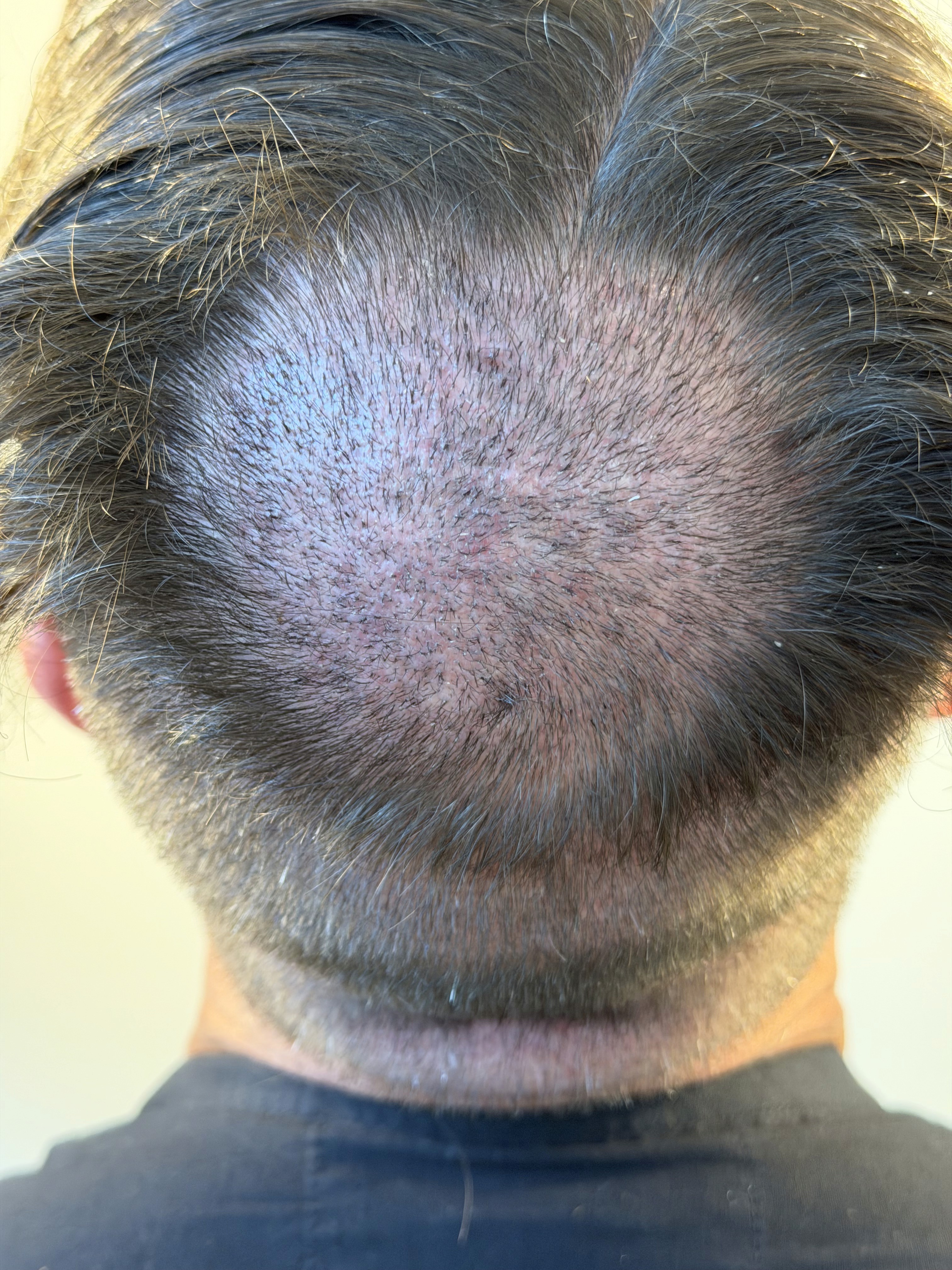
Practical aftercare guidance for the early recovery period, from washing to protecting the donor and recipient areas.
A hair transplant is a surgical procedure, and the first two weeks are important for protecting the newly implanted grafts while the donor and recipient areas begin to heal. Aftercare instructions can differ according to the procedure, graft placement and the individual patient. For this reason, the personalised instructions provided by your clinic should always take priority over general online advice.
The first 24–48 hours
During the first two days, rest and careful graft protection are the main priorities. Avoid touching, rubbing or scratching the recipient area. Try not to place pressure on the newly implanted grafts while sleeping. If your clinical team recommends an elevated sleeping position, follow the specific duration and method they provide.
Take prescribed medication exactly as instructed. Do not add painkillers, supplements or topical products without first checking with the clinic. Mild tenderness, tightness, temporary swelling and small spots of blood may occur during the early recovery period. However, persistent bleeding or rapidly worsening symptoms should be reported to the clinic.
Days 3–5: gentle washing and swelling
Begin washing only when your clinical team tells you to do so. The clinic may recommend lukewarm water, low water pressure and a particular shampoo or cleansing product. Apply and rinse products gently without rubbing the grafts or directing a strong shower stream onto the recipient area.
Some swelling may move from the scalp toward the forehead or around the eyes. Follow the clinic’s instructions regarding sleeping position, medication and cold applications. Ice or cold packs should not be placed directly on the implanted grafts unless specifically instructed.
Days 6–10: allow the crusts to loosen naturally
Small crusts commonly form around the implanted hairs during healing. Do not scratch, pick or force them away. Continue the washing routine recommended by the clinic and allow the crusts to soften and loosen naturally.
The donor area may also feel tight, sensitive or itchy. Avoid scratching it and do not apply creams or treatments unless they have been approved by the clinical team. Removing crusts too aggressively may irritate the skin and interfere with healing.
Days 11–14: gradually returning to routine
By the end of the second week, swelling and crusting have often reduced considerably. Many patients begin returning to normal daily activities, but the scalp may still be sensitive.
Do not assume that the outside appearance means the healing process is complete. Return to exercise, work equipment, helmets and other activities only according to the clinic’s guidance. Activities that create friction, pressure, excessive sweating or a risk of impact may need to be postponed.
What should you avoid during the first 14 days?
During the early recovery period, avoid:
Touching, rubbing, scratching or picking the recipient area
Strong shower pressure or very hot water on the scalp
Tight hats, helmets or clothing that may rub against the grafts
Strenuous exercise, heavy lifting and contact sports until cleared
Swimming pools, the sea, saunas and steam rooms
Direct and prolonged sun exposure
Hair products or topical treatments that have not been approved
Smoking and excessive alcohol consumption, which may interfere with healing
Changing prescribed medication without consulting the clinical team
Your clinic may adjust these restrictions according to your procedure and recovery.
When should you contact the clinic?
Contact the clinical team if you experience persistent bleeding, pain that is becoming more severe, increasing redness or warmth, unusual discharge, an unpleasant odour, fever, sudden significant swelling, signs of an allergic reaction or an injury to the implanted area.
If you are uncertain whether a symptom is normal, it is better to send the clinic a clear photograph and ask for advice instead of attempting to treat the area yourself.
A personalised aftercare plan matters
Recovery timelines are not identical for every patient. The number of grafts, treatment area, donor-area condition, implantation method, medication and individual healing response can all affect the aftercare plan.
Follow the instructions provided after your procedure, attend scheduled follow-ups and keep the clinic informed of any concerns. Careful aftercare during the first 14 days supports healing, but it does not determine the final result on its own. Hair growth develops gradually over the following months. Learn more about Bonita’s hair transplant planning and follow-up.
This article provides general information and does not replace personalised medical advice. Always follow the instructions given by your treating clinical team.
NHS. Hair transplant. Recovery, aftercare and possible complications.
https://www.nhs.uk/conditions/cosmetic-procedures/hair-transplant/
International Society of Hair Restoration Surgery (ISHRS). Hair Transplant Surgery. Patient information about the procedure, recovery and postoperative care.
https://ishrs.org/hair-transplant-surgery/